.png?h=690&iar=0&w=1440)


Learn more about our pledge to corporate responsibility
A case study on switching to sustainable cling wrap in institutional catering.
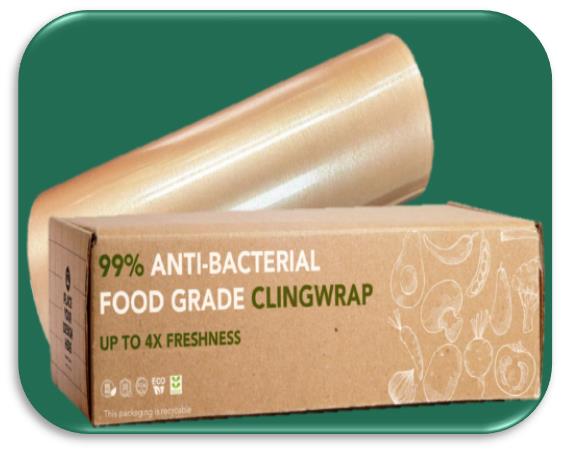
Cling wrap is a staple in Food and Beverage operations, prized for keeping food fresh, hygienic, and protected from odours in cold storage. Across our Singapore sites alone, we consume more than 3,200 rolls, equivalent to 40 football fields of cling wrap every year. Yet the very convenience that makes cling wrap indispensable also makes it one of the hardest plastics to deal with.
Conventional alternatives such as beeswax wraps, aluminium foil, silicone covers, or glass containers each fall short, whether due to limited transparency for easy food identification, fragility, or poor airtightness that fails to protect against odours and pests. As a result, cling wrap continues to dominate kitchens.
However, the environmental toll is mounting. Plastic is the fourth largest type of waste generated in Singapore, with over one million tonnes discarded in 2022 alone. On a per capita basis, this means 177 kilograms of plastic waste per person, with only 6 percent being recycled, while the rest ends up in incinerators or Semakau Landfill. Singaporeans are among the highest consumers of single use plastics globally, using 76 kilograms per person in 2019, the largest volume in the Asia Pacific region.
Cling wrap is particularly problematic. Its thin and stretchy nature clogs recycling machines, requiring specialised equipment, and even when recycled it is often costlier than producing virgin plastic. Worse, when incinerated or landfilled, common materials like PVC and PVDC can release toxic chemicals. With Semakau Landfill projected to be fully filled by 2035, the need for sustainable solutions is urgent.
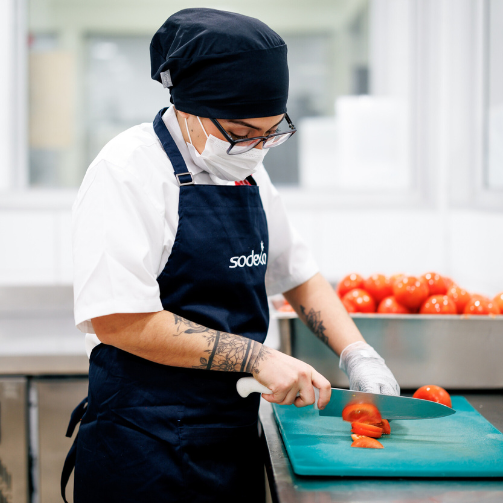
Tomatoes being sliced
For client sites where there is a composter machine, 100% of used compostable cling wrap is processed together with food waste into compost which in turn goes to onsite gardens/landscaping.
For sites where there is no industrial composting facilities available, used compostable cling wrap is sent to the national waste incinerator in Singapore.
During incineration, N&E’s compostable cling wrap takes 10% less energy than conventional plastic to incinerate, releases 32 times less Benzene gas and leaves zero ash and soot residue. N&E's compostable cling wrap also degrades 29% faster than conventional plastic during UV treatment.
Compostable
Less Benzene gas released when incinerated
Less energy when incinerated compared to plastic
faster to degrade during UV treatment
An electric stove for woks.
"Theclingwrapiscomparabletotraditionalalternativesintermsofdurabilityandeaseofuse.Theeaseofdisposalthroughcompostingatoursitesmakesustainabilityaccessibleandeasyforourteams.Itsfoodsafetycertificationsassuresusthatthisproductissafeforuse,withoutcomprisingonitsenvironmentalbenefits."
Sodexo is the first food services company to commit to reaching Net Zero by 2040 globally, thus asserting its leadership in the sector when it comes to fighting climate change. The Group aims to accelerate its journey towards becoming the leader in sustainable food and valued experiences. Sodexo is accelerating a journey started in 2017 with the commitment to achieve a -34% reduction in carbon emissions by 2025, an objective approved by the Science-Based Targets initiative (SBTi).
Promoting sustainable farming practices and supporting our suppliers’ efforts to reduce their carbon emissions
Training and engaging our teams to deliver sustainable solutions to clients and consumers, prioritizing our food service value chain
Reducing energy consumption and accelerating the use of renewable energy in cooperation with our clients
Accelerating the fight against food waste